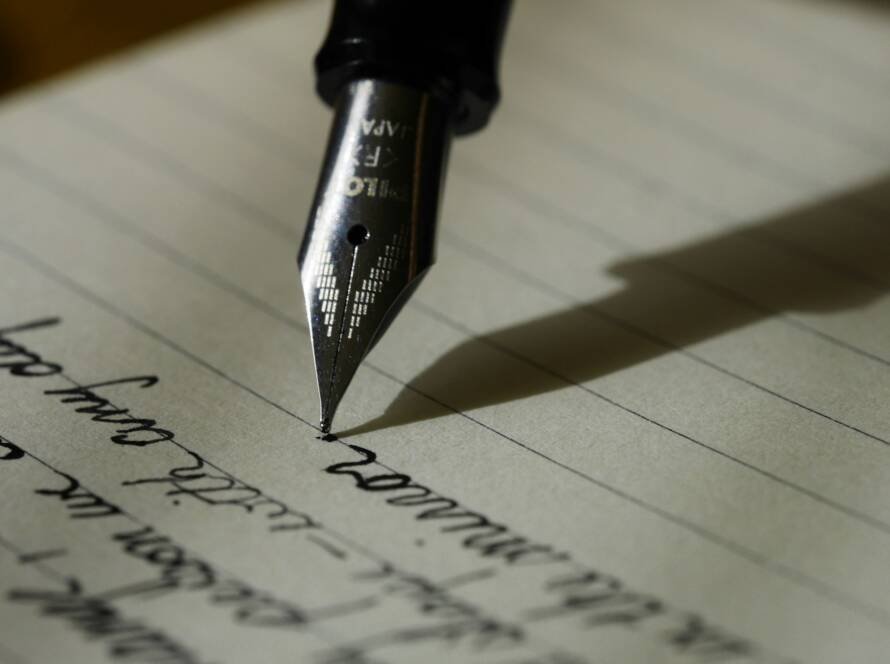
Confident Starts for Left-Handed School Kids
Starting a new school term can feel big for any child. New classroom, new teacher, new routines, and often new worries. For left-handed kids, there is an extra layer that many adults do not spot at first, because almost everything in a classroom is set up for right-handers.
Many left-handed children are not slow, messy, or distracted writers at all. They are simply trying to write with right-handed methods and right-handed tools. Their body is saying one thing, the classroom is saying another, and writing becomes harder than it needs to be.
When we match them with left-handed writing tools and natural techniques, things shift. Writing feels smoother, hands stay relaxed, and confidence grows. This is especially helpful when a child is moving into Prep, Year 3, high school, or returning after a long break in the middle of the year.
Why “Normal” Tools Are Hard for Left-Handers
Many families first notice a problem during homework time. The page is smudged, the child is behind on written tasks, and their hand looks cramped or sore. The child might rush, press too hard, or avoid writing altogether.
Common frustrations for left-handed students include:
- Smudged ink across the page and fingers
- Hooked wrists and twisted arms to see what they are writing
- Slow writing speed and trouble keeping up with notes
- Feeling their work looks “messy” compared to classmates
Most school tools and setups are designed for right-handers. Things like pencil grips, the slant of the page, the way letters are taught, and even where the light comes from on the desk all tend to suit a right-handed movement pattern. When a left-hander copies this, they often end up:
- Curling their wrist over the top of the line
- Tilting the page the wrong way
- Sitting with shoulders turned or leaning across the desk
This does not just affect how writing looks. Over time, it can lead to tired hands, sore fingers, and a child who quietly decides they are bad at writing or just lazy. In reality, no one has shown them a left-handed-friendly way to sit, hold the pen, and move across the page with the right tools to support that.
Choosing Left-Handed Writing Tools for Confidence
The good news is that small changes in tools can make a big difference. Before a new term starts, it helps to set up a simple, left-friendly kit for your child. This might include:
- Left-handed pens and pencils with the right angle and grip
- A left-handed sharpener that turns the natural way for their hand
- Left-handed scissors that let them see the cutting line clearly
- Exercise books that open and rule in a way that suits left-handers
When looking at left-handed pens and pencils, focus on:
- Quick-drying ink so the hand does not smudge every line
- A barrel that fits their fingers, not too skinny, not too chunky
- A tip design that lets them see the point without needing to curl the wrist
These tools are not fancy extras. They support a natural hand position, a straight wrist, and a clear view of the writing line. That way, the child’s brain can focus on spelling, ideas, and understanding the lesson, instead of fighting the pen and the page. Over time, writing feels less tiring, neater, and more automatic.
Setting up a Left-Friendly Workspace
Tools are only half the story. The way the workspace is set up also matters, both at school and at home. Simple changes can remove a lot of day-to-day frustration.
For classroom or homework setups, it helps to:
- Seat a left-hander on the left side of a shared desk so elbows do not crash
- Make sure there is clear space on the left for the writing arm to move
- Angle the bottom of the page slightly to the right
- Keep the light coming from the right side so the writing hand does not cast a shadow
We often teach a quick “left-handed check” that parents and teachers can use:
- Is the wrist straight, not hooked?
- Is the page tilted to the right, not left?
- Is the writing hand below the writing line, not above it?
- Does the child have space on their left side to move freely?
When talking with teachers, it can help to share what you have noticed at home. You might say that your child is left-handed, you are working on a straight wrist posture, and you would like them to have space on the left side of a double desk. Many teachers are keen to help; they simply have not had much training on left-handed needs.
Building Confident Habits with Gentle Practice
Handing a child a new pen will not magically fix years of awkward habits. Their muscles and brain need time to learn a new, more natural pattern. This works best when practice is short, calm, and regular.
Over winter evenings or relaxed weekends, you might:
- Trace large shapes like waves, loops, and tall arches from left to right
- Practise letter groups that share similar movements, such as c, a, d, g, q
- Try quick note-taking games, for example listening to a short story and jotting down key words
Keep practice sessions brief, with lots of pauses to shake out hands and reset posture. Look for signs of strain like:
- Very tight pencil grip
- White fingertips or sore finger joints
- Heavy pressure on the page
- Complaints of tired hands or shoulders
If you see these, gently adjust grip, posture, or tools. Praise effort and comfort, not just neatness. The goal is for writing to feel doable and steady, not perfect overnight. Over time, natural left-handed habits will feel more normal than the old hooked style.
How World Turns Left Supports Smoother School Transitions
At World Turns Left, we focus on helping left-handers write and learn in a way that suits their bodies. We offer specialised left-handed writing training and consultations for both children and adults, along with carefully chosen stationery and tools that support natural movement.
In a consultation, we look at grip, posture and letter formation, then suggest left-handed writing tools and simple strategies that fit the person, their school stage and their daily tasks. Our stationery bundles are chosen with Australian classrooms in mind, making it easier for families to match what is in the school bag with what is on the school list.
When left-handers are given the right tools and clear, kind guidance, school transitions feel far less stressful. They can head into the next classroom, or the next stage of schooling, feeling comfortable, capable and proud of how they write.
Discover Tools That Make Writing Feel Natural
If you are ready to stop fighting your pen and start enjoying smoother, smudge-free writing, we can help. At Word Turns Left, we have curated a range of specialist left-handed writing tools that support how your hand naturally moves. Explore our selection today or contact us so we can help you find the right fit for your everyday writing.