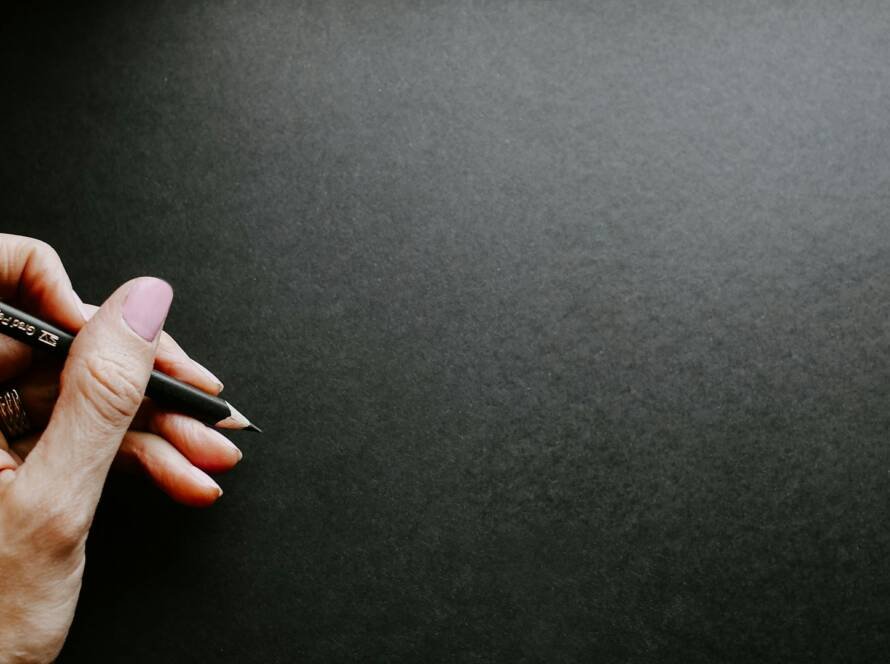
Write Comfortably From Day One with Your Left Hand
Left-handed people in Carlingford know how tiring writing can feel. Notes end up smudged, fingers ache, and the pen never quite sits where it should. When school assessments or a pile of forms arrive, that daily struggle can turn into real stress.
This is not clumsiness or a lack of effort. It is what happens when a left-handed body is expected to work with right-handed tools and right-handed techniques. The good news is that it does not have to stay that way.
Switching to left-handed pens in Carlingford can be simple, calm, and even a bit exciting once you know what to look for. With the right pen and a few small changes to how the hand, paper, and light are set up, left-handers can feel comfortable from day one. Our work at World Turns Left® is all about helping local families and workplaces make that switch with confidence.
Why Standard Pens Make Left-Handers Work Harder
Most pens on the shelf are built with right-handers in mind. You can see it in little details: the grip is shaped for a right thumb, the ink flow expects the pen to be pulled across the page, and even the window or branding points the wrong way when held in the left hand. On their own these details seem small, but together they make writing much harder than it needs to be.
Common problems for left-handed writers include:
- Smudging fresh ink as the hand moves across what was just written
- Struggling to see the writing line because fingers and barrel block the view
- Hooking the wrist over the top of the line to dodge wet ink
- Pressing too hard to stop scratchy, skipping strokes
When the hand has to push the pen instead of pull it, the tip can catch on the paper. That makes the writer slow down or grip tighter. Over a school day or a long shift with paperwork, this can lead to sore fingers, tense shoulders, and messy writing that does not match the person’s actual skill.
For students, this shows up in timed tasks, tests and exams. For adults, it appears during long note taking sessions or when signing stacks of documents. The important shift is to see that the main problem is the pen and technique mix, not the person holding it. Once that clicks, trying something different feels less scary and more like common sense.
What Makes a Left-Handed Pen Truly Left-Friendly
A good left-handed pen does more than just have the word “left” on the packet. It works with the way a left-hander naturally moves across the page.
Key features to look for include:
- Fast-drying ink that does not stay tacky as the hand passes over
- Smooth ink flow at a range of angles, so pushing the pen still feels easy
- A barrel shape that feels natural in a left-hand grip, not twisted or forced
- A tip that starts cleanly without scratching or skipping
For ballpoints and gel pens, the tip needs to roll smoothly even when pushed forward. For fountain pens, the nib should be able to write at a slightly higher angle without cutting into the paper. When this is right, the pen glides instead of drags, so pressure can drop and the whole arm relaxes.
Good grip guides also matter. Lines, bumps or soft grips that sit correctly under the fingers help the hand settle into a healthier position. A clear line of sight to the point of contact lets left-handers track their letters without bending the wrist into that tight hook.
At World Turns Left®, we pay close attention to how different pens behave in real left-handed use. We look at how younger children hold the pen, how older students pace themselves, and how adults deal with long writing sessions, then match models to those needs.
Choosing Left-Handed Pens in Carlingford Without Guesswork
Trying to pick a pen from a crowded stationery aisle can feel like pure guesswork, especially for left-handers. Packaging does not always tell the whole story, and what works for a right-handed friend may be a poor fit for a left-handed grip.
A simpler way is to think about who is using the pen and what they are doing most often:
- For students: focus on comfort, solid construction and ink that dries quickly on schoolbooks and exam papers. Look for pens that feel light, start easily, and do not smear across lined exercise books.
- For professionals: look at pens that stay comfortable across longer writing sessions and meetings. A steady ink flow for signatures and form filling is key, along with a grip that does not dig into the fingers.
- For creative users: consider pens that can handle sketching, arrows, mind maps and colour-coding without leaving smudges or blobs.
A short session with a left-hand writing specialist can cut through weeks of trial and error. When someone watches how a writer holds the pen, what angle they prefer, and how strongly they press, it becomes much easier to pinpoint a few models that will feel right. This can make a big difference during heavy periods like HSC prep, uni exams or tax time, when pens are working hard every day and stress levels are already high.
Simple Habit Tweaks That Make Switching Feel Easy
Tools are only half the story. A few small habit tweaks help left-handed pens really shine. None of them are dramatic, and most people can get used to them in a couple of weeks.
Helpful changes include:
- Angle the paper slightly to the right so the hand can move under the writing line
- Place the light source on the right side to reduce shadows over the page
- Hold the pen a little further back from the tip so the fingers do not block the view
- Keep the wrist below the line instead of hooked over the top
For younger children, gentle, fun cues work well. Simple prompts like “keep your hand under the rainbow line” or colourful stickers that show where the page corner should sit can guide better posture. Short, regular practice sessions feel less tiring than long drills.
Teens and adults often benefit from looking at their whole desk set-up. Chair height, desk space for the elbow and where the notebook sits all affect wrist comfort. Once the right pen is matched with a healthier paper and hand position, most people notice cleaner handwriting, fewer smudges and less cramping across school, work and exams.
Start Your Left-Handed Writing Upgrade in Carlingford
Switching to left-handed pens in Carlingford does not have to mean throwing out every pen in the house or office. A low-pressure way to begin is to try just one recommended left-friendly pen and pay attention to how it feels over a week or two. Look for small wins, like fewer smudges, less hand pain, or neater letters at the end of a long day.
From our base as World Turns Left®, we see how powerful it can be when left-handers are finally given tools and techniques that respect their natural dominance. Using the late winter and early spring period to test some new pens and habits can set up students and adults for a smoother final school term and a calmer end-of-year workload.
Most of all, remember that this is not about changing who you are as a writer. It is about a thoughtful upgrade. With the right left-handed pen and a few simple habit shifts, your hand, brain and body can at last work together comfortably, the way they were always meant to.
Find The Perfect Left-Handed Pen For Everyday Comfort
If you are tired of smudged notes and awkward grips, we are here to help you find tools that actually feel natural in your hand. Explore our curated range of left-handed pens in Carlingford and discover writing instruments designed to suit the way you write. At Word Turns Left, we carefully select products that support smoother, clearer handwriting for left-handers of all ages. Have questions or need a bit of guidance before you choose? Simply contact us and we will help you pick the right fit.